
AI in 2026: What Every Developer Should Actually Know
A practical, hype-free guide to AI in 2026 — where machine learning genuinely helps developers, where a plain function still wins, and how to ship it well.
 Anna KellerJun 14, 202611 min read
Every guide we have published, gathered in one place. The Logictran Tech Journal is an independent, free-to-read collection of in-depth writing on web development, software, artificial intelligence, content management, accessibility, document engineering and the hardware developers actually use. No gates, no fluff — just careful, working-engineer prose you can read end to end.
This is the full archive of the Logictran Tech Journal. We write long-form, practical explainers for people who build things for a living — front-end and back-end developers, technical writers, content engineers, and the curious readers who like to understand how a system really works before they trust it. If you are new here, a good place to start is our complete guide to modern web development and design, which ties together most of the threads the rest of the journal pulls on. From there you can branch into a focused primer like web development fundamentals, or jump straight to a topic that interests you, such as AI in 2026 or our look at the real benefits of a modern CMS. You can learn more about who we are and why we do this on the about page.
Every article aims to be self-contained and skimmable. Headings tell you where you are, a short summary up top tells you whether a piece is worth your time, and the prose underneath earns the read. Where standards matter, we point you to the source rather than paraphrasing it — for example, the MDN Web Docs reference for web technologies is the canonical place to confirm how HTML, CSS and JavaScript actually behave, and the World Wide Web Consortium standards site is where the specifications themselves live. For performance and modern best practices we frequently cross-check against the web.dev guidance from the Chrome team. We would rather send you to the authoritative document than ask you to take our word for it.
To use this index, browse the card grid below — newest first — or jump to a topic section further down the page, where each subject gets its own short overview and a link to a representative article. The sidebar groups everything by category and tag so you can move sideways through related ideas. Articles are free, there is nothing to join, and nothing here is hidden behind a wall.
A practical, hype-free guide to AI in 2026 — where machine learning genuinely helps developers, where a plain function still wins, and how to ship it well.
Anna KellerJun 14, 202611 min read

From semantic HTML and design systems to Core Web Vitals — a grounded, end-to-end guide to building fast, accessible and maintainable websites in 2026.
 David MercerJun 10, 202614 min read
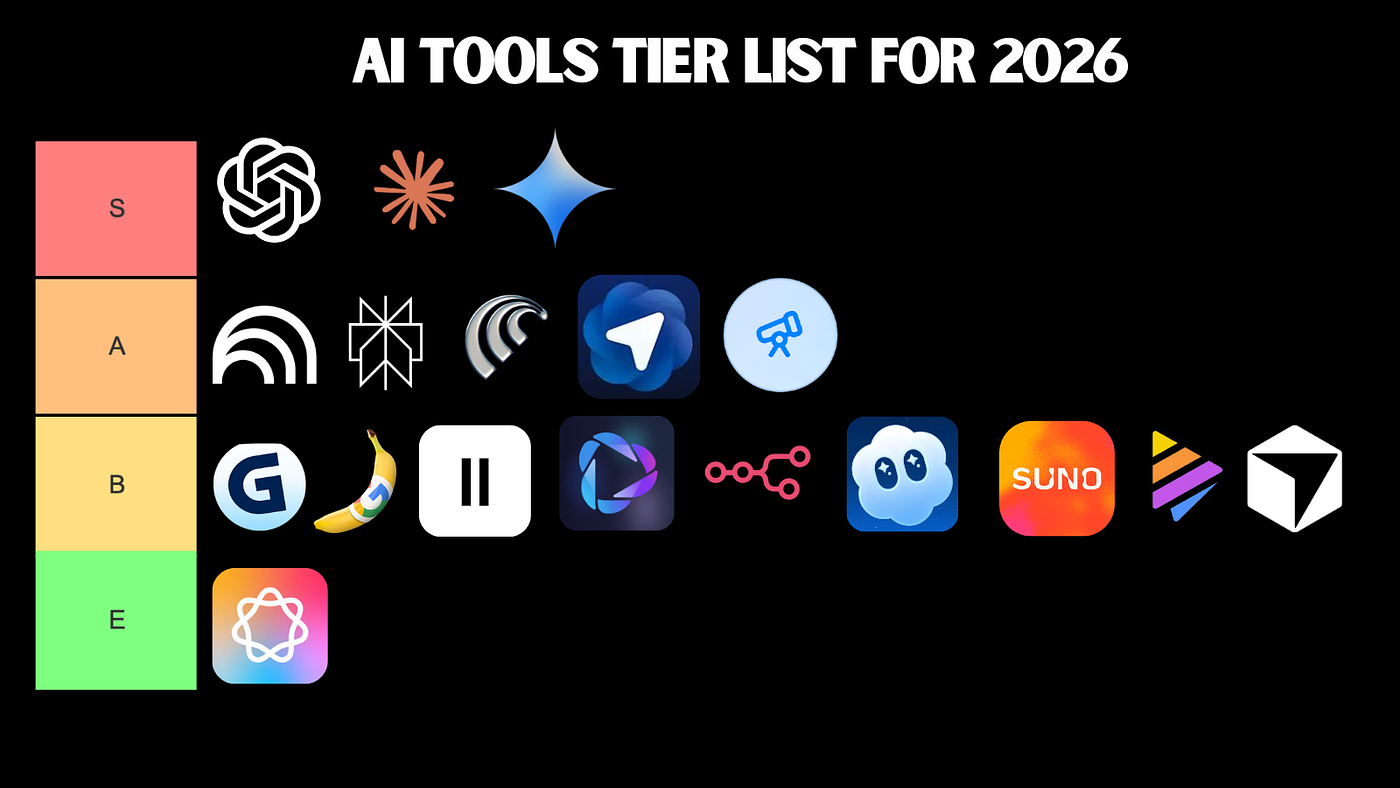
We put 2026 most-hyped AI assistants, agents and copilots through real project work. Here is our honest tier list — what earns an S, and what does not.
Anna KellerJun 6, 20268 min read
.jpeg)
How to turn messy Word and RTF files into clean, structured XML and HTML — the pipeline, the pitfalls and the lessons from decades of real document conversion.
 Liam GrayMay 30, 202610 min read
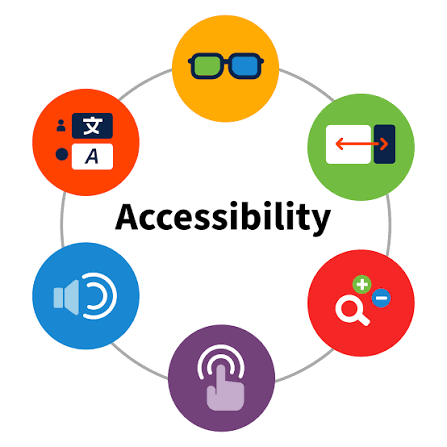
Accessibility overlays promise instant WCAG compliance in one line of JavaScript. Here is why they fall short — and what real accessibility actually takes.
 Sofia ReyesMay 24, 20269 min read

What is a software solution, really? A clear definition, real examples, and how to tell a genuine solution from a feature dressed up in a sales deck.
David MercerMay 18, 20268 min read
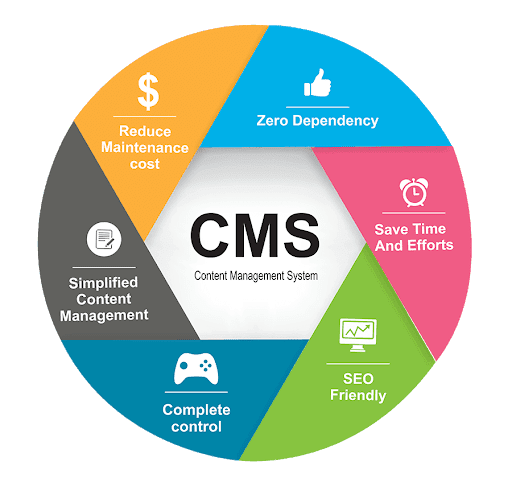
Lower maintenance, better SEO, faster publishing and more — the genuine benefits of a modern content management system, separated from the brochure promises.
Sofia ReyesMay 12, 20269 min read

Front end, back end, databases and APIs — the mental model every new developer needs before reaching for the next framework, explained clearly step by step.
Liam GrayMay 5, 202612 min read
.jpeg)
Where to add AI to a product, how to keep it observable and testable, and how to avoid building a black box you cannot debug — a careful, practical guide.
Anna KellerApr 28, 202610 min read
.jpeg)
WCMS, CCMS, DAM, DMS, LCMS, ECM — not all content systems solve the same problem. A plain-English field guide to the CMS alphabet and how to choose the right one.
Sofia ReyesApr 21, 20268 min read
.jpeg)
Build, buy or blend? A practical decision framework and checklist for choosing the right software solution for your team — without the costly mistakes.
Liam GrayApr 7, 20269 min read
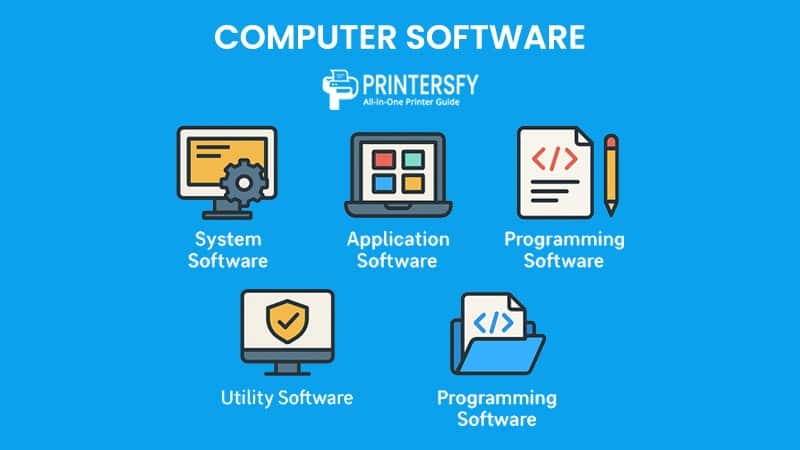
System, application, programming and utility software — the layers that make a computer useful, explained clearly with real-world examples and a reference table.
David MercerApr 14, 20267 min read
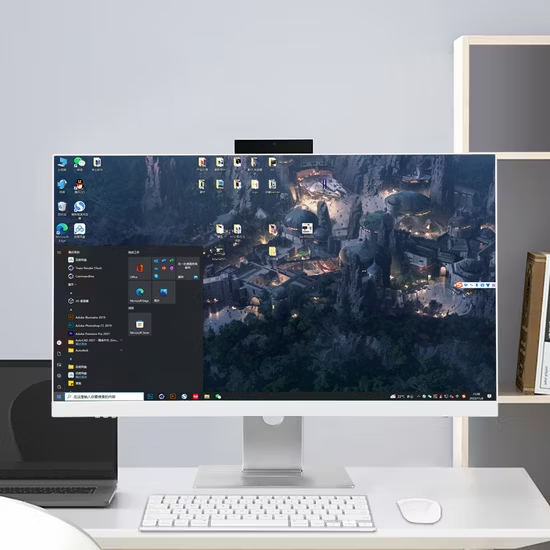
Can a curved 27-inch all-in-one replace a tower for everyday development? We weigh performance, ergonomics and value for a tidy, capable developer workstation.
David MercerMar 30, 20268 min read
Web development is the spine of this journal because it is where most of our readers spend their days. Our coverage starts from first principles — what a browser actually does with the HTML, CSS and JavaScript you give it — and works outward toward the decisions that separate a site that ages gracefully from one that needs a rewrite in eighteen months. We care about semantic markup, sensible design systems, progressive enhancement, and the measurable things: load time, layout stability, and how a page behaves on a mid-range phone over a flaky connection. We try to be honest about trade-offs rather than chase trends for their own sake. If you want the long version, the complete guide to modern web development and design walks through the whole stack from structure to performance, and it pairs naturally with our shorter primer on web development fundamentals for anyone still building their mental model from the ground up.
The software section is for the questions that sound simple until you try to answer them precisely. What is a software solution, and how is it different from a feature with a confident name? When should a team build, when should it buy, and when is the honest answer somewhere in between? These pieces are written to be useful in real meetings — the kind where someone has to defend a decision to people who control a budget. We avoid jargon where plain words will do, and we include checklists and frameworks you can lift straight into your own notes. Start with what exactly is a software solution for the definitions, then move to how to choose the right software solution when you are ready to make a call. For grounding, the breakdown of system, application and programming software maps the whole landscape clearly.
Artificial intelligence is the topic where the gap between hype and usefulness is widest, so this is where we try hardest to stay grounded. We are interested in where machine learning genuinely earns its place in a product, where a plain deterministic function still wins, and how to ship the former without turning your codebase into a black box you cannot debug at two in the morning. We test tools on real project work before we rank them, and we are comfortable saying when something does not live up to its marketing. Our flagship piece, AI in 2026: what every developer should actually know, sets the frame; putting AI at the core of your stack — carefully covers the engineering discipline; and the 2026 AI tools tier list gives you our honest verdicts after genuine hands-on use.
Content and content management systems get more strategic the larger an organisation grows, and the acronyms multiply just as fast. A blog and a regulated product catalogue have almost nothing in common beyond the word "content," yet they are often forced onto the same platform with predictable pain. Our writing here separates the genuine advantages of a modern CMS from the brochure promises, and it untangles the alphabet soup — WCMS, CCMS, DAM, DMS, LCMS, ECM — so you can match a system to the problem you actually have. The goal is fewer regretted migrations and clearer conversations with vendors. Begin with six real benefits of a modern CMS for the case in favour, then read decoding the CMS alphabet when you need to tell one category from another and choose well.
Accessibility is a first-class concern across the whole journal, not a checkbox we tack on at the end. The web works best when it works for everyone, and most of what that requires is ordinary good engineering: semantic structure, keyboard support, sufficient contrast, and content that makes sense when read aloud by a screen reader. We are skeptical of shortcuts that promise compliance without the work, because they tend to disappoint the very people they claim to help. Our most pointed piece, the trouble with accessibility overlays, explains why a single line of JavaScript cannot deliver genuine conformance and what real accessibility actually takes instead. The same themes carry into our web development guides, where accessible patterns are treated as the default rather than an upgrade you bolt on once the deadline has already arrived.
Document engineering is the quiet discipline behind a surprising amount of the world's important text. Contracts, manuals, standards, research and archives all start life in messy formats and need to become clean, structured, durable data before anyone can search, transform or preserve them reliably. It is unglamorous and genuinely hard: encodings fight you, styles lie about structure, and edge cases hide in the one file you did not test. Our coverage draws on decades of real conversion work to show the pipeline, the pitfalls, and the judgement calls that no tool makes for you. If this world is new to you, from RTF to XML: the quiet craft of document conversion is the place to begin — it explains how to turn unruly Word and RTF files into well-formed XML and HTML you can actually trust downstream.
Hardware rounds out the journal because the machine on your desk shapes how you work every single day. We are not a spec-sheet site; we care about whether a given setup makes real development pleasant, sustainable and quiet enough to think in. Ergonomics, screen real estate, thermal behaviour under a long build, and honest value for money all matter more than raw benchmark bragging rights. Our reviews ask a practical question and try to answer it without marketing varnish. The clearest example is all-in-one PCs as developer workstations, where we weigh whether a tidy curved 27-inch all-in-one can genuinely replace a traditional tower for everyday coding, or whether the compromises catch up with you the moment your projects get serious and your workflow grows more demanding.
Everything we publish is built around the principles search engines summarise as E-E-A-T — experience, expertise, authoritativeness and trustworthiness — because they happen to describe what makes writing worth reading in the first place. Our articles are written by named, identifiable engineers and specialists, not anonymous accounts: you will see real bylines like Anna Keller, David Mercer, Liam Gray and Sofia Reyes, each writing within their actual area of practice rather than across whatever topic is trending. You can read more about the people and the mission on our about page.
Every piece is fact-checked before it goes live. When we state how a technology behaves, we verify it against primary sources — vendor documentation, formal specifications, and references such as the MDN Web Docs and the W3C standards — rather than repeating folklore. We separate measured fact from informed opinion, and we label opinion as such. We do not accept payment to rank a product, and our tool verdicts come from hands-on use rather than press releases. When the technical landscape shifts, we revisit older articles and update them in place, noting material changes so a guide you trusted last year does not quietly mislead you this one. Corrections are made openly, and reader feedback through our contact page regularly drives improvements. The standard we hold ourselves to is simple: an article should still be honest and accurate the day after you act on it.
We publish on a steady cadence rather than a frantic one — typically a new in-depth guide every week or two. We would rather take the time to get a piece right than flood the archive with thin posts. Because depth matters more than volume here, every article in the index above is meant to reward a full read, and the newest work always appears at the top of the grid.
Our articles are written by working engineers and specialists writing under their own names within their genuine areas of expertise. You will recognise recurring authors such as Anna Keller on artificial intelligence, David Mercer and Liam Gray across software and web development, and Sofia Reyes on accessibility and content systems. We introduce the team and explain our approach in more detail on the about page.
Yes, and we genuinely welcome it. Some of our most-read guides started as a question from a reader who could not find a straight answer anywhere else. If there is something you wish were explained clearly — a confusing acronym, a decision you are stuck on, a technology you cannot get a grounded read on — send it our way through the contact page. We read every suggestion, even when we cannot cover everything at once.
They are. Technology moves, and a guide that was accurate when written can drift out of date as tools, standards and best practices change. We revisit our published work and revise it in place when the landscape shifts, rather than leaving stale advice online. Material updates are reflected in the article itself, so a piece like our AI in 2026 guide stays a reliable reference rather than a snapshot frozen in time.