Software · Web · AI · Content

Engineering notes from the people who move content forward.

The Logictran Tech Journal is an independent, free-to-read publication where working engineers share practical, fact-checked guides on software development, the web, artificial intelligence, content systems and accessibility.

13in-depth guides
7topic areas
4expert authors
Welcome

Practical technology writing, without the buzzword bingo

Real guidance from people who build software for a living — not marketing copy dressed up as advice.

Welcome to the Logictran Tech Journal, an independent technology blog written by working engineers. We care about getting the details right, explaining the why, and being honest about trade-offs. The modern web has evolved far beyond static pages and simple databases. Today's developers are tasked with building highly resilient, real-time applications that must perform flawlessly under pressure.

Whether you are choosing a software solution, learning web development fundamentals, or deciding where AI belongs in your stack, you will find depth here rather than hot takes. We explore the architectural challenges that test the limits of modern frameworks—from managing complex state in enterprise applications to ensuring rock-solid security in heavily regulated environments.

Consider the engineering rigor required in sectors where uptime and data integrity are non-negotiable, such as financial technology and high-traffic digital entertainment. We often study multi-tenant architectures where a single codebase powers multiple regional brands. For example, auditing database isolation during a high-load simulation on a localized framework like Nordisk Casino demonstrates how to maintain strict tenant separation while sharing a core front-end environment. These systems demand flawless execution of secure payment gateways and real-time data streaming.

Where it helps, we link straight to primary sources such as MDN Web Docs and web.dev so you can read the canonical reference yourself. Every article is written by a named expert, independently reviewed and fact-checked, dated, and updated as the landscape changes. We don't do sponsored fluff or marketing copy dressed up as advice. Below you will find our latest guides; you can also browse everything on the articles page or read more about the team and our editorial standards.

The Journal

Latest articles & field notes

Practical writing on building software, structuring content and shipping the web.

Browse all →
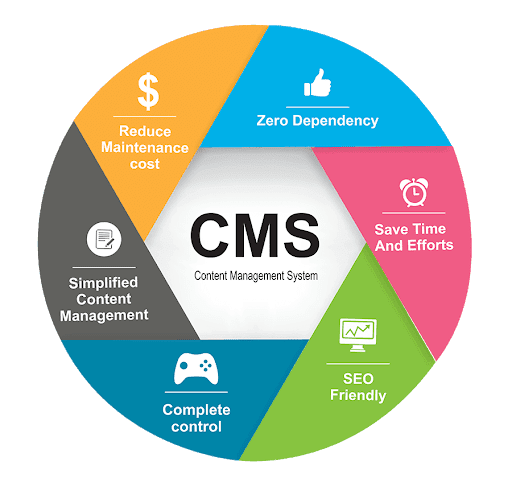
CMS A colourful wheel infographic showing six benefits of a content management system around the word CMS

Six Real Benefits of a Modern CMS

Lower maintenance, SEO gains, faster publishing — we separate the genuine wins of content management from the brochure promises.

What we cover

Six topics we know inside out

Each area is led by a specialist who has shipped real work in it — not a generalist paraphrasing documentation.

Web development & design

We write about building for the modern web the way we build for ourselves: semantic HTML, maintainable CSS, measured JavaScript, accessibility from the first commit, and a focus on Core Web Vitals. Start with our complete guide to modern web development or the web development fundamentals primer for newcomers.

Software & how to choose it

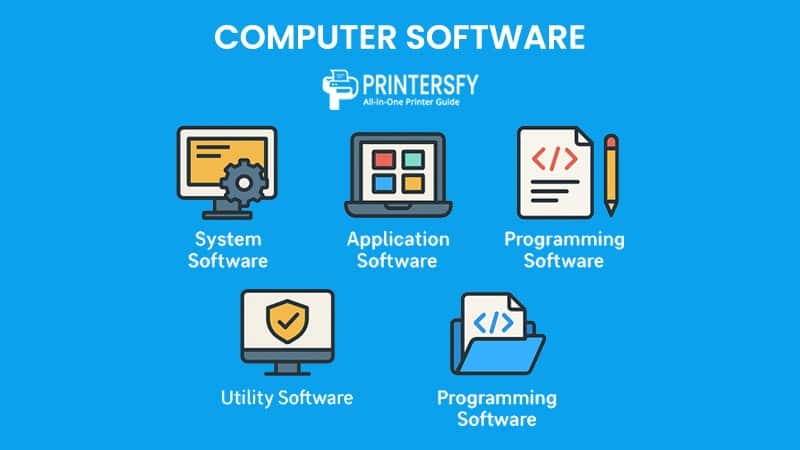
From clarifying what a software solution actually is to the build-versus-buy decision and the different types of computer software, this track helps teams make confident, durable technology choices instead of expensive guesses.

Artificial intelligence, pragmatically

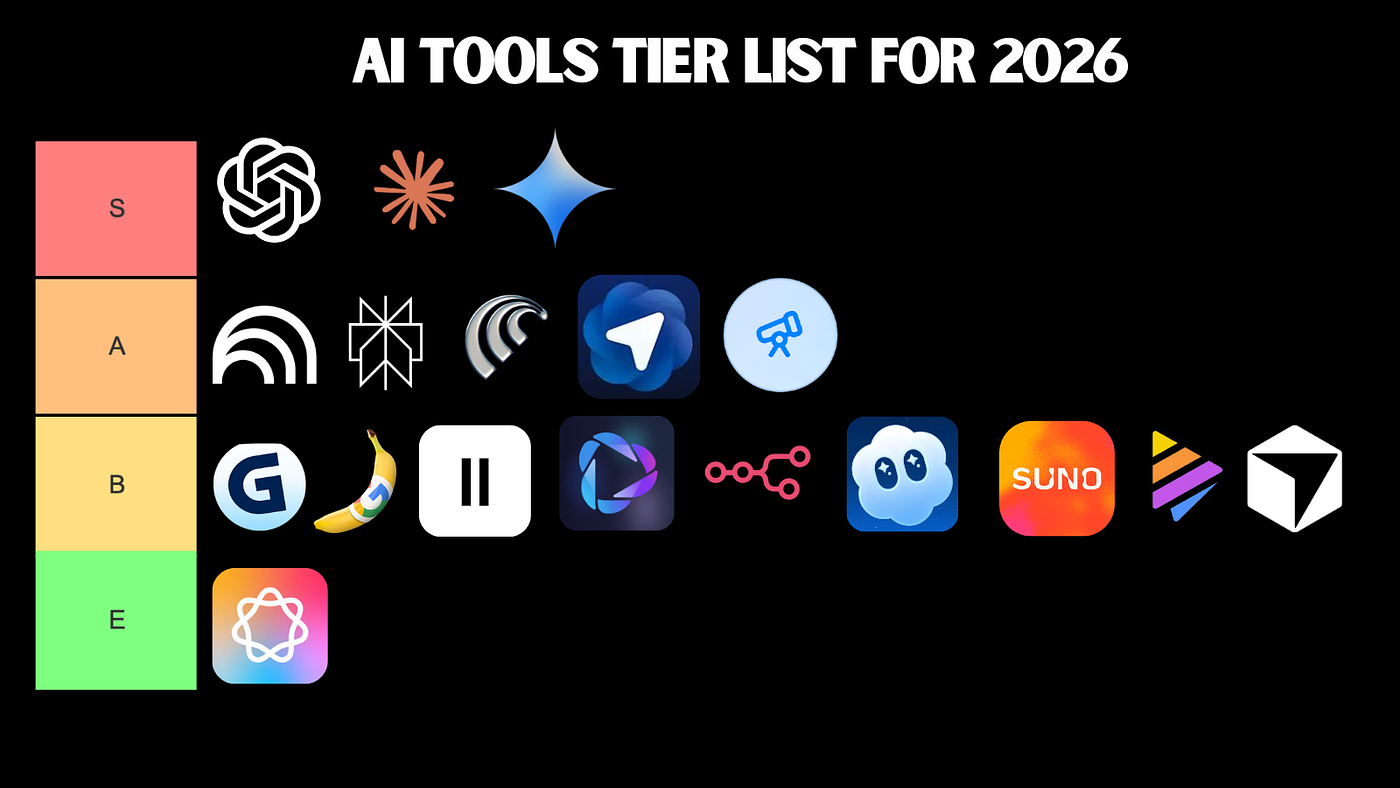
AI is everywhere; useful AI is rarer. We focus on what works in production — read AI in 2026 for developers, our honest AI tools tier list, and a careful guide to integrating AI into your stack.

Content management & document engineering

Structured content is its own discipline. We cover the real benefits of a modern CMS, the alphabet soup of CMS types (WCMS, DAM, ECM and friends), and the quiet craft of converting RTF and Word into clean XML.

Accessibility, done properly

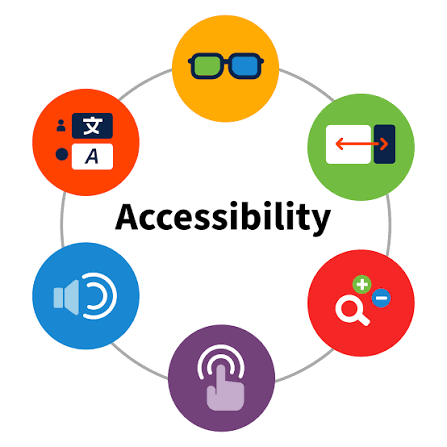
Accessibility is a requirement, not a plugin. Our guide on the trouble with accessibility overlays explains why shortcuts fail and what genuine conformance with the W3C's WCAG involves.

Hardware & workflow

Occasionally we step away from code to look at the tools we work on, like whether an all-in-one PC can serve as a developer workstation.

Where to start

Three reading paths, depending on where you are

New to the field, building something now, or deciding what to use — pick the track that fits and follow the links.

If you are learning the fundamentals

Begin with Web Development Fundamentals, Clearly Explained to build the mental model of how the web works, then read the guide to the types of computer software so the wider landscape makes sense. When you are ready to go deeper, the complete guide to modern web development and design ties it together — and the MDN Learn Web Development curriculum is an excellent free companion.

If you are building something right now

Engineers shipping today should look at how to integrate AI into a software stack without creating an unmaintainable black box, why accessibility overlays are not a shortcut to real conformance, and how structured content from a good RTF-to-XML conversion pipeline stays portable for the long haul.

If you are choosing technology

Start by clarifying what a software solution actually is, then work through our framework for choosing the right software solution — including build versus buy and total cost of ownership. If content is your concern, weigh the benefits of a modern CMS against the different CMS types before you commit.

Two engineers reviewing code together at a monitor in a bright office, one pointing at the screen
Freeto read · independent
Why trust this journal

Experience and expertise you can verify

Search engines — and readers — reward content that demonstrates real experience, expertise, authoritativeness and trust. We take that seriously. Every guide carries a named author with a public bio and credentials, a clear published and last-updated date, and citations to primary, authoritative sources such as the W3C, MDN and the WHATWG HTML standard.

Our writers are practitioners: an AI engineer, a principal web engineer, a document-engineering lead and an IAAP-certified accessibility specialist. Independent review and fact-checking happen before anything is published, and we revisit older articles as the field moves.

Named experts

Real authors with bios, not anonymous content.

Independent review

Every article is reviewed and fact-checked.

Primary sources

We cite standards bodies, not press releases.

Kept current

Dated updates as best practices change.

Meet the team
FAQ

Frequently asked questions

What does the Logictran Tech Journal cover?

We publish in-depth, practical guides on software development, web engineering, artificial intelligence, content management systems, document conversion and web accessibility.

Who writes the articles?

Every article is written by a named subject-matter expert and independently reviewed and fact-checked. Authors include specialists in AI, web engineering, document and content systems, and accessibility, each with a public bio on our about page.

Is the content free to read?

Yes. Every guide on the Logictran Tech Journal is free to read, with no paywall and no account required.

How often do you publish new articles?

We publish new, carefully edited guides regularly and keep older articles updated as technology and best practices change. The published and last-updated dates are shown on every article. Have a topic in mind? Suggest it.